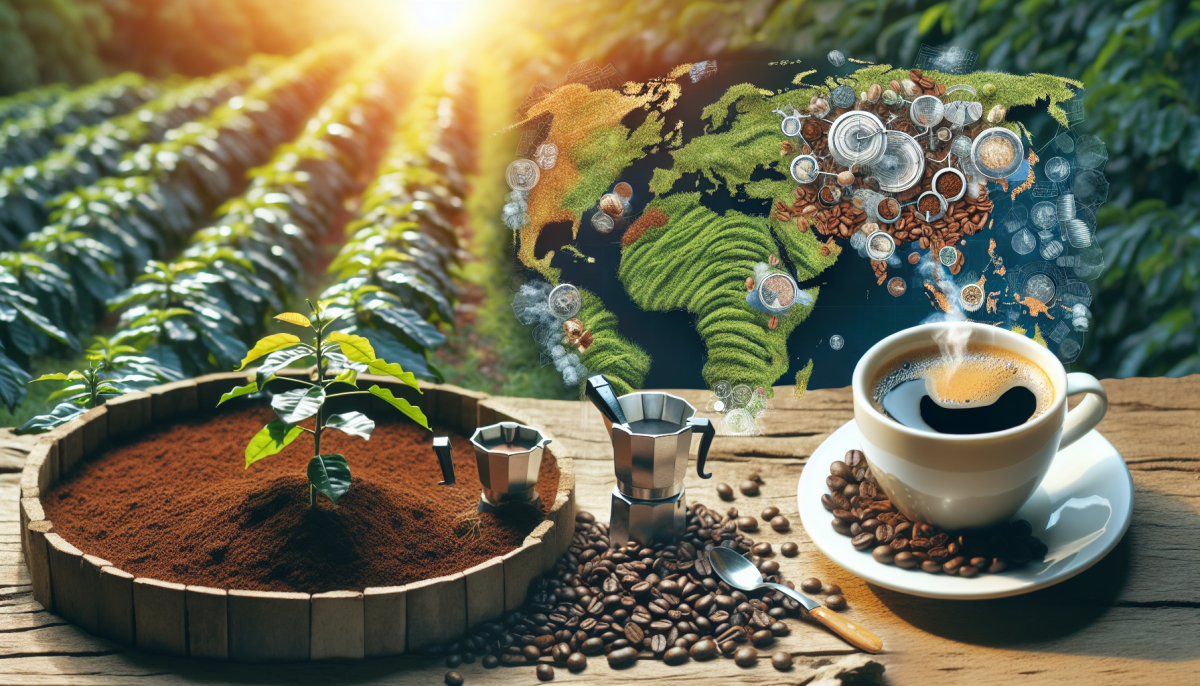
Coffee isn’t just a drink; it’s a social magnet. Think about it. How many times have you met up with a friend for coffee? It's like a social glue that helps bring people together. Whether you’re chatting at a cozy café or having a quick coffee break at work, that steaming cup helps create a relaxed vibe. It’s the perfect excuse to catch up, share a laugh, or even have a deep conversation.
In many cultures, coffee serves as a ritual. Picture this: you walk into a local coffee shop, the rich aroma hits you, and you're surrounded by other people bonding over their brews. Coffee shops often double as meeting spots, where ideas flow as smoothly as the java. It’s where friends gather, colleagues collaborate, and even where communities come alive. These spaces buzz with energy, making it easy for conversations to spark.
Ever heard of the phrase "coffee break"? It’s a thing for a reason! Those short breaks at work can change the whole mood of your day. Whether you’re sharing stories or brainstorming ideas, those moments over coffee can boost productivity and strengthen relationships. Businesses have caught on too, creating coffee-friendly spaces to encourage team bonding.
The global love for coffee also breaks down barriers. It connects people from different backgrounds and walks of life. From espresso to cold brew, everyone has their favorite style. Those little coffee rituals can lead to friendships and new connections that you might never have made otherwise. Coffee brings us together like nothing else!
The Rise of Coffeehouses
Back in the day, coffeehouses were more than just places to grab a drink. They were the hot spots for conversation, creativity, and change. Think of them as the original social media hubs! From the 16th century onward, especially in cities like Istanbul and later in Europe, these coffee havens drew in crowds looking to chat, debate ideas, and enjoy a cup of joe.
In the 17th century, coffeehouses started popping up across England, France, and the Netherlands. They became known as “penny universities” because for just the price of a coffee, anyone could join in discussions about politics, art, and science. Imagine mingling with poets, philosophers, and even future revolutionaries all while sipping on your favorite brew!
These coffee spots sparked some major movements. Take the Enlightenment, for example. Many new ideas flourished in coffeehouses, leading to shifts in thinking and even politics. People felt empowered to question authority and share their thoughts openly, thanks to the lively discussions fueled by caffeine.
Today, coffeehouses still carry that vibe of community and sharing ideas. They’ve evolved, of course, but whether it’s your local café or a trendy roastery, these places still inspire connection. From casual catch-ups with friends to brainstorming sessions, coffeehouses remain a vital part of how we socialize and create together.
Fuel for Innovation and Creativity
Coffee has always been more than just a drink; it’s a powerful fuel for creativity and innovation. From the bustling cafés in Paris during the Enlightenment to the modern co-working spaces filled with the aroma of freshly brewed coffee, this magical bean has sparked countless ideas. People gather over cups of coffee to brainstorm, collaborate, and craft their next big projects.
Think about it: many of the world's greatest inventors and thinkers found their inspiration in coffeehouses. These lively spots became melting pots of ideas. They encouraged discussions that led to revolutionary movements, like the Industrial Revolution. If you think about famous figures like Voltaire or Benjamin Franklin, they were known to love their coffee. Those late-night conversations over steaming mugs likely changed the course of history.
Even today, coffee fuels creativity in various ways. Whether you’re an artist waiting for that perfect spark or a writer struggling with a creative block, a good cup of joe can get the gears turning. The caffeine kicks in, enhancing focus and providing that extra boost to chase down ideas. Plus, there’s something about the ritual of making and enjoying coffee that helps you tap into your creative side.
So next time you sip your morning brew, remember it’s not just a drink. It’s a tradition that fuels dreams and sparks game-changing innovations. Embrace your cup and let it inspire your next great idea!
Impact on Global Trade and Economy
Coffee has woven itself into the fabric of global trade and the economy, playing a significant role that goes well beyond your morning cup. It's one of the most traded commodities in the world, second only to oil. When you sip your favorite brew, you're tasting a rich history that impacts millions of lives and economies around the globe.
The coffee trade has shaped entire communities, especially in developing countries. Farmers cultivate coffee beans, relying on fair prices to support their families. When the demand for coffee surges, it can lead to more job opportunities and better living conditions for growers. In turn, this drives the economic growth of coffee-producing nations. So, each cup you enjoy not only boosts your mood but also supports livelihoods in various corners of the world.
On the flip side, fluctuations in coffee prices can spark significant ripple effects. When prices rise or fall sharply, it affects farmers, exporters, and even consumers. If coffee prices climb too high, it can hit your wallet, but it also means farmers are getting better compensation. It’s a delicate balance that shows how interconnected our world is through something as simple as a beverage.
Additionally, the growing coffee culture is opening new markets. Specialty coffee shops, local roasters, and innovative brewing methods are popping up everywhere. This not only creates a demand for quality beans but also drives competition and innovation within the industry. As more people become coffee enthusiasts, they’re willing to pay a premium for high-quality brews, which shifts economic power towards producers who can deliver.